ESTABLISHING CONSTITUTIONAL SAFEGUARDS IN FAMILY COURTS NATIONWIDE
A national, non‑partisan civil‑rights organization documenting systemic Due Process and Equal Protection failures and advancing constitutionally grounded reform in state family courts.


Across the country, families navigate family‑court processes that can appear unpredictable and unevenly applied. These variations arise from a single structural problem: the absence of uniform constitutional safeguards across state systems.
What We Do
We bring families and data into view (Outreach), provide the constitutional clarity needed to understand state systems (Education), and implement that clarity through public education, legislative reform, and litigation (Action). Our work restores the constitutional safeguards the Supreme Court already requires in family‑court proceedings.
OUR METHODOLOGY
Constitutionally Grounded
-
![]()
Constitutionally Grounded
We document structural constitutional failures, not interpersonal conflict. The root cause is systemic, not personal.
-
![]()
Privacy First
We collect procedural indicators, not personal narratives. Your safety and dignity come first through trauma-informed engagement.
-
![]()
Evidence-Based
Your experience becomes part of a statewide and national pattern that can inform legislation and support federal intervention.
-
![]()
Unifying Movement
We redirect energy away from gender and ideology wars toward constitutional reform, oversight, and federal intervention.




ROOT CAUSES
Four Structural Failures
These conditions make departures from constitutional requirements predictable, repeatable, and nation-wide.
I Misaligned Incentive Structures
State courts are underfunded, overloaded, and structurally incentivized to move cases quickly. When efficiency is prioritized over rights, Due Process becomes optional.
II Delegation to Private Actors
Courts have quietly outsourced judicial power to GALs, evaluators, and coordinators who are not bound by constitutional constraints; creating a system with no accountability.
III Oversight Vacuum
State courts regulate, investigate, and discipline themselves. No other branch of government has this level of insulation from external accountability.
IV Constitutional Illiteracy
Most people—including lawyers—don't understand what Due Process requires. When the public doesn't know their rights, the system drifts without resistance.
The Constitutional Solution
We advance solutions grounded in established constitutional requirements. Our work focuses on restoring procedural safeguards, clarifying state obligations under the Fourteenth Amendment, and developing model statutory frameworks that bring state systems into alignment with federal constitutional standards.
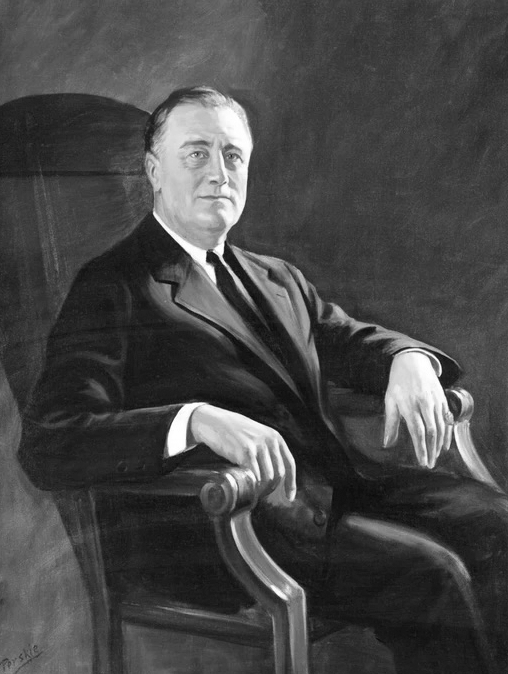
“The only sure bulwark of continuing liberty is a government strong enough to protect the interests of the people, and a people strong enough and well enough informed to maintain its sovereign control over the government.”
- Franklin D. Roosevelt
AFFECTED POPULATIONS
Who is at Risk
Everyone, but functional vulnerability groups face exacerbated versions of the predictable and systemic, constitutionally significant harms occurring across the country.
-
![]()
People with Disabilities
Including veterans, neurodivergent individuals, and trauma survivors facing ADA violations.
-
![]()
DV Survivors
All genders and backgrounds facing trauma misinterpretation and evidence exclusion.
-
![]()
Resource-Limited Families
Low-income litigants disadvantaged by unequal access to representation and process.
-
![]()
Communication Barriers
People facing language, accessibility, or procedural barriers to meaningful participation.
-
![]()
Pro Se Litigants
Especially those up against a well connected and highly litigious family law attorney.
-
![]()
Military Veterans
Military Veterans of all genders and races facing stereotypes and trauma misinterpretation.






Share Your Experience
We document procedural indicators, not personal narratives. Your data helps build a state and nation wide pattern that can inform legislation and support federal intervention.
About the Due Process Project
The Due Process Project is a national, non‑partisan civil‑rights organization dedicated to restoring constitutional safeguards in state family courts. We document systemic Due Process and Equal Protection failures, analyze structural causes, and advance constitutionally grounded reform. Our work is guided by clarity, neutrality, and a commitment to the rule of law.